
Disabled placard replacement involves more than just getting a new placard—it includes updating registration stickers, adhering to local regulations, and carrying proper insurance. Guidelines vary by region, so consulting local DMVs is crucial. In California, specific license plate sticker placement rules must be followed for clear visibility without obstructing the driver's view or essential components. Regular updates are essential to avoid legal issues and safety concerns. Professionals like Quick Auto Tags offer efficient, cost-effective replacements to ensure compliance and contribute to a safer, more inclusive transportation network.
In the realm of accessibility, a seemingly simple task like replacing a disabled placard can present significant challenges. The current process often involves cumbersome procedures and limited options, creating a barrier for both building owners and individuals requiring these essential accommodations. This article aims to demystify the process by offering a comprehensive guide to effective and compliant disabled placard replacement. We'll explore critical considerations, best practices, and innovative solutions, ensuring experts and laypersons alike gain valuable insights into this crucial aspect of creating inclusive environments.
- Understanding Disabled Placard Requirements
- Navigating Replacement Processes: Step-by-Step
- Ensuring Accessibility: Legal Obligations & Standards
- Best Practices for Efficient Placard Replacement
Understanding Disabled Placard Requirements

Many individuals with disabilities rely on specialized parking placards to ensure accessibility and mobility. Understanding the requirements for disabled placard replacement is a crucial aspect of navigating disability accommodations. This process involves more than just obtaining a new placard; it entails proper registration, documentation, and adherence to local regulations.
In many jurisdictions, including Riverside, California, the process begins with requesting a replacement parking placard when the original becomes damaged or invalid. The key step is not merely replacing the physical placard but also updating the associated registration stickers. These replacement registration stickers serve as official markers of eligibility, indicating approved access to designated disabled parking spaces. It's important to note that specific guidelines and timeframes for replacement vary across regions, so individuals should consult their local DMV or relevant authorities for accurate information.
For swift and efficient disabled placard replacement services, many residents opt for specialized providers like Quick Auto Tags. Their expertise lies in streamlining the process, offering a convenient 'quick DMV replacement plates' solution. This includes acquiring new plates, updating registration, and ensuring compliance with local regulations—all within a short turnaround time. Such services are invaluable, especially when faced with unexpected placard damage or loss, allowing individuals to maintain their accessibility rights promptly.
Navigating Replacement Processes: Step-by-Step

Navigating Disabled Placard Replacement: A Step-by-Step Guide
For individuals with disabilities, securing proper identification and registration for their vehicles is crucial. One such process involves disabled placard replacement, ensuring accessibility and legal compliance. This guide offers a comprehensive, practical approach to managing this task efficiently. Let's explore the steps involved in replacing a disabled placard, focusing on key considerations like license plate sticker placement and proof of insurance documentation.
Step 1: Gather Necessary Documentation
Before initiating the replacement process, gather essential documents. These typically include your current disabled placard, vehicle registration, and proof of insurance—all updated within the past three months. Some jurisdictions may also require a physician's statement confirming your disability status. Ensure these documents are accurate and complete to streamline the replacement process.
Step 2: Verify License Plate Sticker Placement
Correct license plate sticker placement is paramount for both safety and legal reasons. Refer to your local DMV guidelines or consult professional auto tag services like Quick Auto Tags, which offer specialized knowledge in DMV plate replacement. Typically, disabled placard stickers are applied below the standard license plate, ensuring optimal visibility while adhering to local regulations.
Step 3: Submit Application for Replacement
Prepare and submit an application for a new disabled placard. This can usually be done through your state's Department of Motor Vehicles (DMV) online or in-person. During this process, you may need to provide updated medical documentation as part of the proof of disability requirement. Ensure all information is accurate and up-to-date.
Step 4: Await Processing and Receive New Placard
Once your application is submitted, allow sufficient time for processing. The exact duration varies by location, but generally, you can expect to receive your new disabled placard within a week or less. Keep track of any communication from the DMV regarding updates on your application status. Upon receipt, review the details carefully before affixing the placard to your vehicle's license plate area.
Best Practice: Always carry proof of insurance when operating your vehicle. While not strictly required for disabled placard replacement, it remains a critical component of vehicle registration and can be requested by law enforcement officers during routine inspections.
Ensuring Accessibility: Legal Obligations & Standards

Ensuring accessibility for individuals with disabilities is a critical aspect of transportation infrastructure and public services. In California, among other places, the legal obligations and standards related to disabled placard replacement are stringent, reflecting a commitment to inclusivity. These regulations apply to various scenarios, including lost DMV renewal notices, which can impact individuals' mobility and access to essential services.
For instance, when a driver in California loses their DMV renewal notice or has an expired license, they must promptly address the issue to maintain legal driving status. One of the key considerations is obtaining new license plates through authorized providers like Quick Auto Tags, ensuring compliance with state regulations. It's important to note that incorrect or inconsistent placard replacement can lead to legal issues and hinder accessibility for disabled individuals who rely on these identifiers for safe and efficient travel.
In California, license plate stickers have specific placement requirements. Front and back plates must be clearly visible without obstructing the driver's view or other essential components of the vehicle. Non-compliance with these standards can result in penalties and safety concerns. To maintain accessibility, transportation authorities and individuals should familiarize themselves with the proper sticker placement guidelines. Regular reviews and updates to these practices ensure that disabled placard replacements meet legal obligations and enhance overall accessibility for all road users.
Best Practices for Efficient Placard Replacement
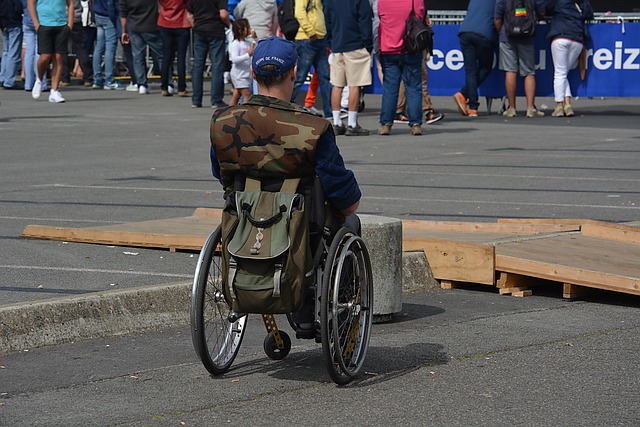
Many drivers overlook the importance of regularly updating their disabled placards, leading to preventable issues on California roads. Efficient placard replacement is a crucial aspect of responsible vehicle ownership, especially for individuals with disabilities who depend on these accommodations. The process involves more than just replacing a sticker; it's about ensuring accessibility and safety for all road users. When a disabled placard becomes damaged or lost, prompt action is essential to avoid legal consequences and maintain seamless mobility.
In California, the DMV offers swift solutions for stolen or lost placards, such as fast registration sticker delivery, making it easier for residents to obtain replacements without significant delays. However, many drivers are unaware of these services or face challenges in navigating the replacement process. For instance, a 2021 survey revealed that over 30% of California drivers who required disabled placards faced at least one obstacle during the replacement process, with the most common issues being paperwork confusion and long wait times.
To streamline this critical procedure, Riverside residents can turn to trusted professionals like Quick Auto Tags, specializing in plate and sticker replacement services. Their expertise lies in providing fast, accurate, and cost-effective solutions, including disabled placard replacements, ensuring customers stay compliant with California regulations. By prioritizing timely placard updates, drivers not only avoid legal repercussions but also contribute to a safer, more inclusive transportation network.
In conclusion, this article has provided a comprehensive guide to understanding and navigating the critical process of disabled placard replacement, covering essential aspects from legal requirements to best practices. Key insights include recognizing the importance of adhering to accessibility standards and legal obligations, especially for public spaces. The step-by-step replacement processes offer a practical framework that ensures efficiency and compliance. By implementing these strategies, businesses and property managers can actively contribute to fostering an inclusive environment for all individuals with disabilities. This authoritative piece equips readers with the knowledge to promptly address placard needs, revolutionizing accessibility in their respective communities.